Publicado el

Un llamado a la acción

Los acontecimientos del mundo actual nos angustian a la mayoría de las personas, incluyéndome. Sin embargo, algunos de mis amigos ni siquiera quieren mantenerse informados. Piensan que lo que tenga que pasar, pasará, y que ya se enfrentarán a ello cuando llegue el momento. Elie Wiesel, superviviente del Holocausto, creía que el peor pecado que se puede cometer es guardar silencio ante el mal. Cuando recibió el Premio Nobel de la Paz el 10 de diciembre de 1986, pronunció las siguientes palabras en su discurso de aceptación.

Siempre debemos tomar partido. La neutralidad favorece al opresor, nunca a la víctima. El silencio alienta al verdugo, nunca al torturado. A veces debemos intervenir. Cuando las vidas humanas están en peligro, cuando la dignidad humana está amenazada, las fronteras nacionales y las sensibilidades políticas pierden toda importancia. Dondequiera que hombres o mujeres sean perseguidos por su raza, religión o ideas políticas, ese lugar debe convertirse, en ese preciso instante, en el centro del universo.

La historia está repleta de personas, en su mayoría hombres, que buscaron el poder y la ventaja económica a costa de la vida de otros mediante prácticas abusivas. En Estados Unidos, Martin Luther King, Jr. y Elijah Cummings son dos ejemplos brillantes de una minoría perseguida que desafió todas las prácticas injustas y opresivas contra su raza y otras minorías marginadas y sin voz. Sin temor, se alzaron y se convirtieron en un faro de esperanza, inspirando a otros a seguir su ejemplo y a oponerse firmemente a las injusticias que sufrían.

Rezo para que las personas de conciencia también se alcen y actúen contra el racismo y las prácticas genocidas contra los kurdos en Siria, los musulmanes rohingya en Myanmar, los yazidíes y los musulmanes uigures en China. Las minorías perseguidas necesitan la protección de Estados Unidos y del mundo contra todos los opresores, no el abandono, el silencio ni la permisividad hacia quienes cometen estos crímenes. No debemos caer en la oscuridad.

Esto es especialmente cierto en el caso de los cárteles criminales en países como México y Centroamérica, donde los civiles inocentes se ven obligados a pagar extorsiones si quieren seguir con vida y evitar que sus hijos sean reclutados por los cárteles para convertirse en sicarios y víctimas de explotación sexual. Necesitamos salir de nuestra zona de confort para ayudar y apoyar a las personas vulnerables que son víctimas de estos abusos. Espero que jóvenes como Greta Thunberg inicien un movimiento que inspire a personas de todas las edades a unirse a ellos y a salir de su zona de confort para denunciar a los depredadores y sus prácticas perversas.

Oro para que las personas acepten el llamado de Dios a proteger a los inocentes y vulnerables. Que Dios los bendiga, los guíe y los proteja, y les dé el valor, la energía y la sabiduría necesarios para afrontar y superar todos los obstáculos. Que los depredadores y sus prácticas perversas sean llevados ante la justicia para que la paz y la buena voluntad reinen para siempre.

Reflexionen sobre esto.

  • ¿Qué opinas de los genocidios actuales? ¿Qué puedes hacer al respecto?
  • ¿Por qué crees que el antisemitismo está en aumento? ¿Qué puedes hacer al respecto?
  • ¿Qué puedes hacer contra la supremacía blanca?
  • ¿Cómo y por qué los líderes políticos han dado luz verde a la persecución de las minorías?
  • Las acciones y las omisiones tienen consecuencias. ¿Cómo podemos llamarnos cristianos si hacemos la vista gorda ante la maldad desenfrenada? ¿Qué puedes hacer para ayudar a los perseguidos?

Publicado el

Zero Sum Living

Photo by Chris Liverani

In the July 3, 2019, edition of The Christian Century, publisher Peter W. Marty wrote an article on Zero-sum living. Zero-sum game theory works on the basis that there must be winners and losers in this life of ours. He writes:

The scorekeeping and power displays inherent in this win-or-lose approach are uninspiring at best and vengeful at worst. There’s nothing lovely in thinking that my happiness requires someone else to be unhappy or that my appreciation for what I have in life depends on someone else having less.

Zero-sum living rears its head in our nation’s political life, in sports, in immigration policies, in economics, in protection of our environment, etc. Most disconcerting is when it mixes with the gospel. Marty writes:

Some Christians wonder what joy their salvation will bring if God saves everyone—as if joy in salvation depends on the misery of some people being damned. This kind of perverse zero-sum thinking has no place in the economy of God.

On the other hand, we must recognize that there will always be winners and losers in certain endeavors. Some people are more gifted as doctors, lawyers, scientists, mathematicians, manual laborers, artists, authors, musicians, and artists. Realizing one’s limitations can be a good thing. Why try to be something you either have no interest in or no talents. We all learn to be resilient through our loses and/or through our limitations. We learn by doing and hopefully be a contributing member of society.

Maya Angelou has two statements that should be considered. They are:

I’ve learned that people will forget what you said. People will forget what you did. But people will never forget how you made them feel.

You may not control all the events that happen to you, but you can decide not to be reduced by them.


Reflexionen sobre esto.

  • Do you or your family live to win at all costs against your competitors? Why?
  • How does our society foster zero-sum living? Give some examples.
  • Is there anything you can do to reverse a zero-sum living mentality? What might it be?
  • If you are on the losing end of this mentality, what can you do to protect yourself yet foster love, kindness, grace, and charity towards others?


Publicado el

Who Owns the Earth?

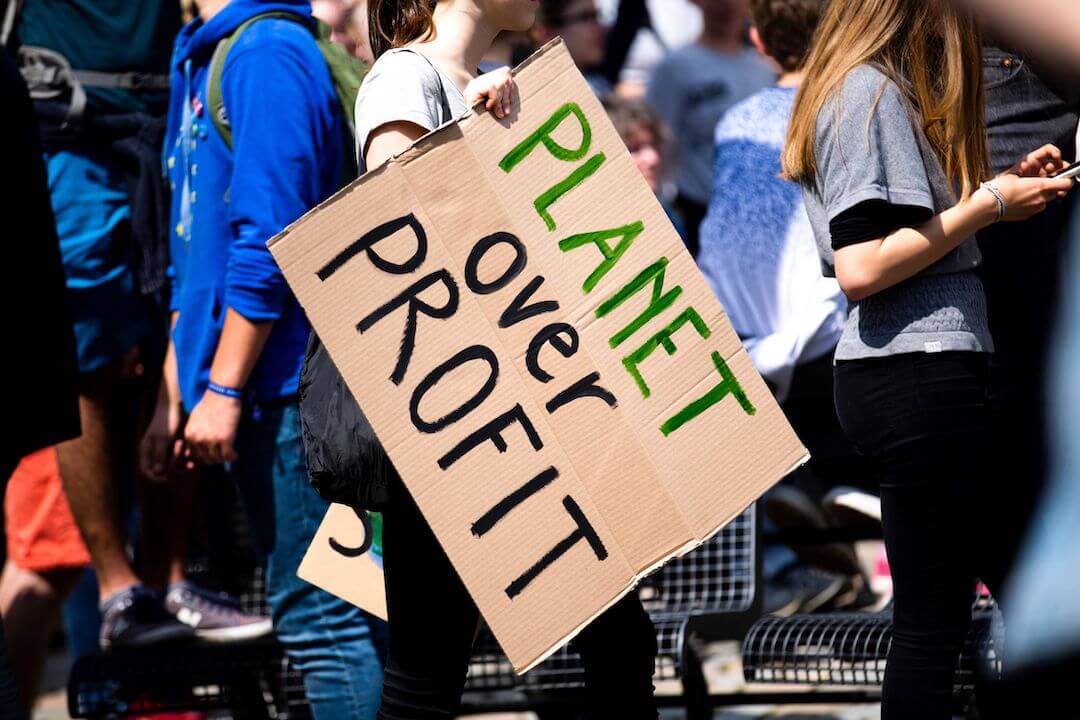
A young woman holds a handmade cardboard sign reading "Planet Over Profit".
Photo by Marcus Spiske.

The earth is the Lord’s and all that is in it, the world, and those who live in it;
for he has founded it on the seas, and established it on the rivers. (Psalm 24:1-2)


If the earth is the Lord’s and all that is in it, why do politicians and businesses rule the day in dialing back the Clean Air Act by continuing to pollute the air we breathe and the water we drink? Why do they allow deforestation through logging, mining, water pollution, coal-powered electric-generating plants, the impending extinction of wild life plants, animals, and sea life, and so on? Do we not all have a very short life span on this earth to be followed by succeeding generations who also have a short life span?

Greta Thunberg, a 16-year-old Swedish environmental activist, and millions of other like-minded people are crusading to stop everything that contributes to climate change and its impact on their future. Economics and income inequality contribute to this complicated and vicious cycle of exploitation.

Those people who profit from ravaging the environment state that the science behind our foreseeable environmental catastrophe cannot be proved. To me, that posture is similar to the naysayers who said we couldn’t put a man on the moon or that the earth is round.

Personal gain created twentieth century jobs in polluting industries that lifted people out of poverty even though they were subjected to black-lung and other diseases. Therefore, people are afraid to challenge businesses and politicians who allow the degradation of our environment because of the impact it will have on their economic well-being.

Greta and people like her have the backbone and determination to challenge our earthly predators who enact laws that benefit them, their bank accounts, and fleece the world’s natural resources. She and others are trying to save their and our future in this world.

Think about it:

  • Do you question Greta and other climate change environmentalists? If so, why do you?
  • What right and/or claim do businesses and politicians have to the land? Do they really own the land? Do you own the land? What makes you think so?
  • What sacrifices are you willing to make to reduce your ecological footprint?
  • How can businesses and politicians help displaced and laid-off workers should polluting industries shut down?
  • Is pollution a crime against humanity? If so, what makes you think so?
  • What role do you think God wants us to play regarding climate change?
Publicado el

Today, Will God Hold Us Accountable?

Arlington National Cemetery, Image by vcudnik from Pixabay

As we remember our fallen men and women in uniform on Memorial Day Weekend, I think of my husband’s role as a soldier in the Korean War. He was just 20 years old when drafted into the army and had not been in the United States for even a year. His father died when he was eight-years old. He, his mother, sister, and two brothers were on the Soviets’ deportation list to Siberia because they were part of the intelligentsia. They were fortunate to escape Latvia as the Soviets were invading. But they had to leave everything behind except for the clothes on their backs and what they could carry in a few suitcases.

Continúa leyendo Today, Will God Hold Us Accountable?